
Proceq GPRs Selected for Japan’s National Sinkhole Prevention & Deep Cavity Detection Program
Aug 31, 2026

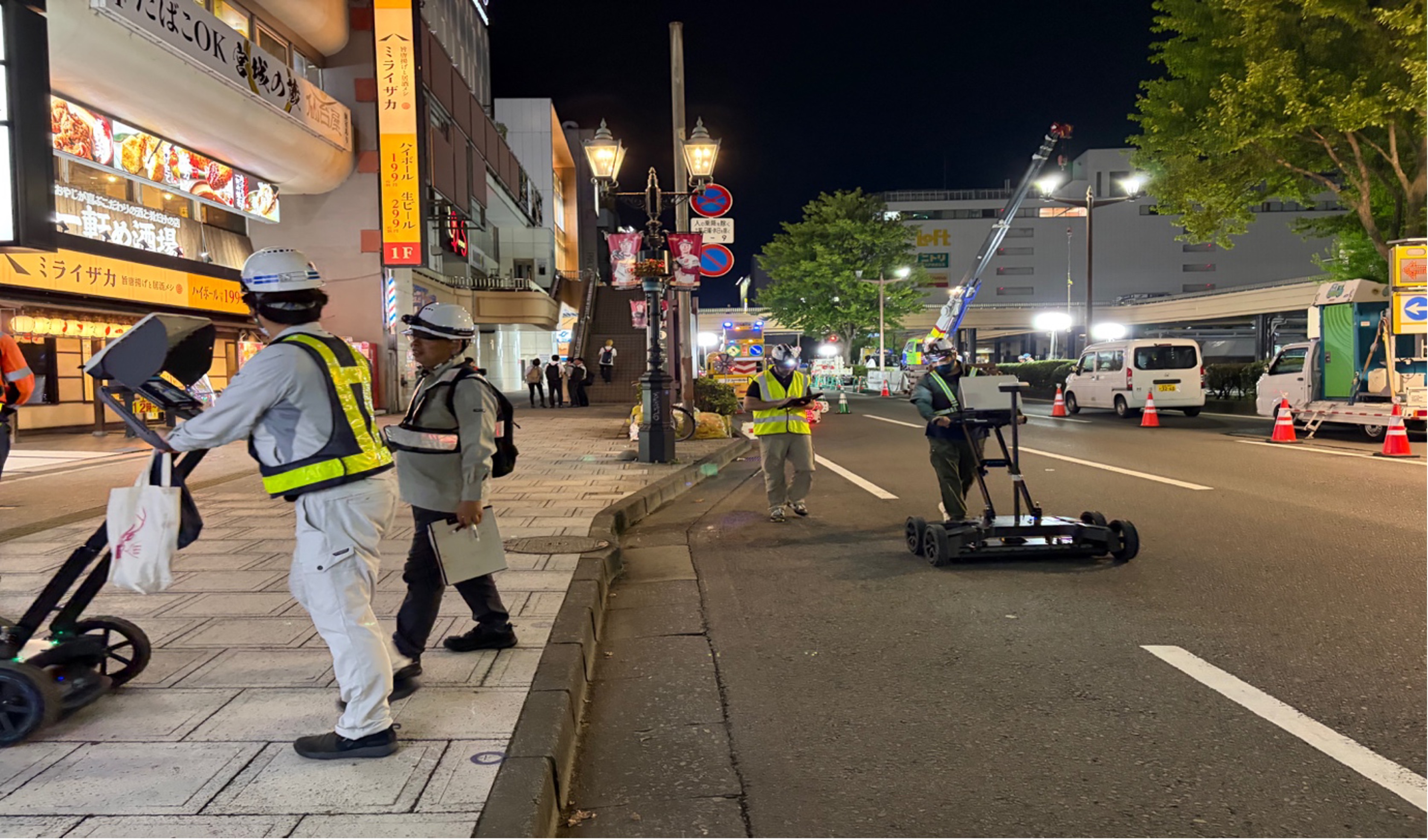
Proceq subsurface ground-penetrating radar (GPR) technology has been selected for Japan’s national program to survey deep road cavities and identify sinkhole risks. The selection was submitted by Tectus Japan Co., Ltd., and published by the Advanced Construction Technology Center (ACTEC) , the designated organization for the program by the Road Bureau of Japan’s Ministry of Land, Infrastructure, Transport and Tourism (MLIT).
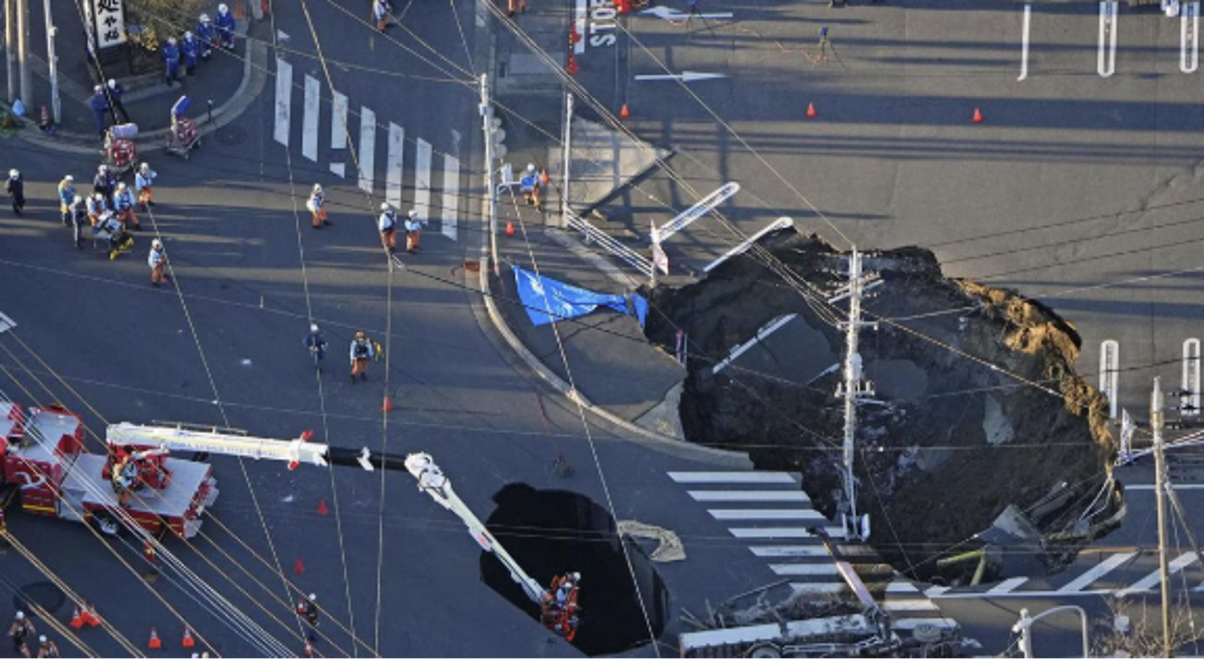
Sinkhole disaster in Japan
The Subsurface Challenge
Japan’s underground infrastructure faces significant aging challenges. The national water network spans approximately 740,000 km, while sewer lines total around 500,000 km. By fiscal 2044, roughly 45% of the sewer network will exceed its standard 50-year service life.
Soil erosion caused by pipe leaks can create underground voids that lead to sudden road collapses. To address this, MLIT’s public call sought technologies capable of detecting cavities deeper than the standard 1.5 to 2.0 meters reached by conventional survey vehicles. In 2025, 11,227 road collapse cases were officially reported in Japan.
Preventative maintenance
ACTEC classified the Proceq submission into a complementary two-stage workflow designed for preventative maintenance:
- Network Screening: The GM8000 vehicle-mounted GPR array scans large road networks at traffic speed to identify potential anomalies.
- Targeted Investigation: Cart-mounted GS9000 Proceq GPR systems conduct detailed follow-up scans on specific locations flagged during initial screening.
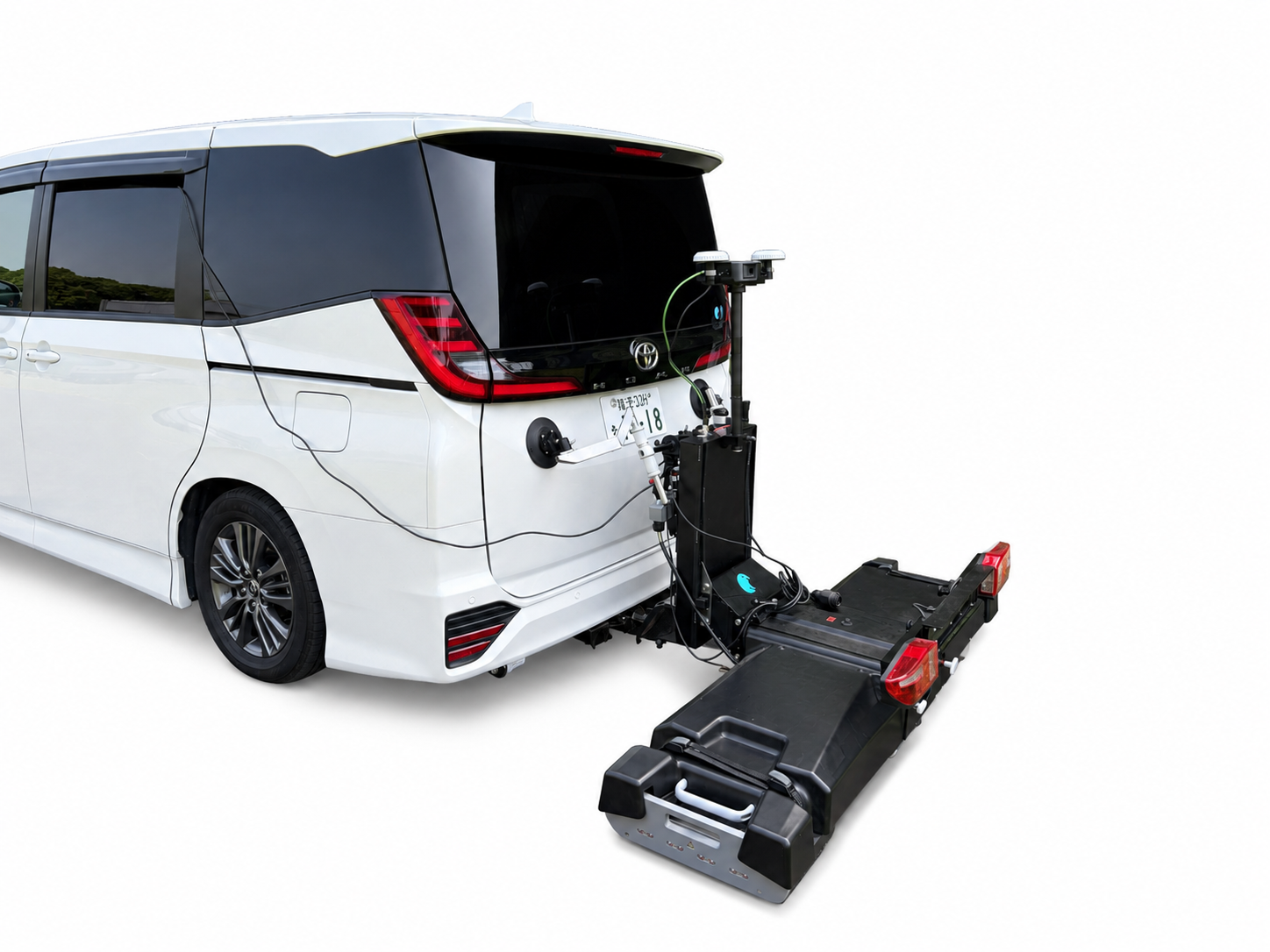
Proceq vehicle-mounted subsurface scanning system, GM8000
Both configurations utilize multichannel Stepped-Frequency Continuous Wave (SFCW) GPR technology. By sweeping a broad band of frequencies, SFCW achieves high near-surface resolution alongside deep ground penetration in a single pass. Collected data is integrated with real-time 3D visualization, georeferencing, and field-to-cloud workflows to assist road authorities in planning timely interventions.
"Sinkholes do not begin at the surface. The warning signs are often hidden underground, beyond the reach of conventional inspection. Japan has made earlier detection a clear national priority. Proceq GPR was built to see deeper, scan faster and turn subsurface signals into decisions." — Dr. Koichi Oba, CEO Proceq
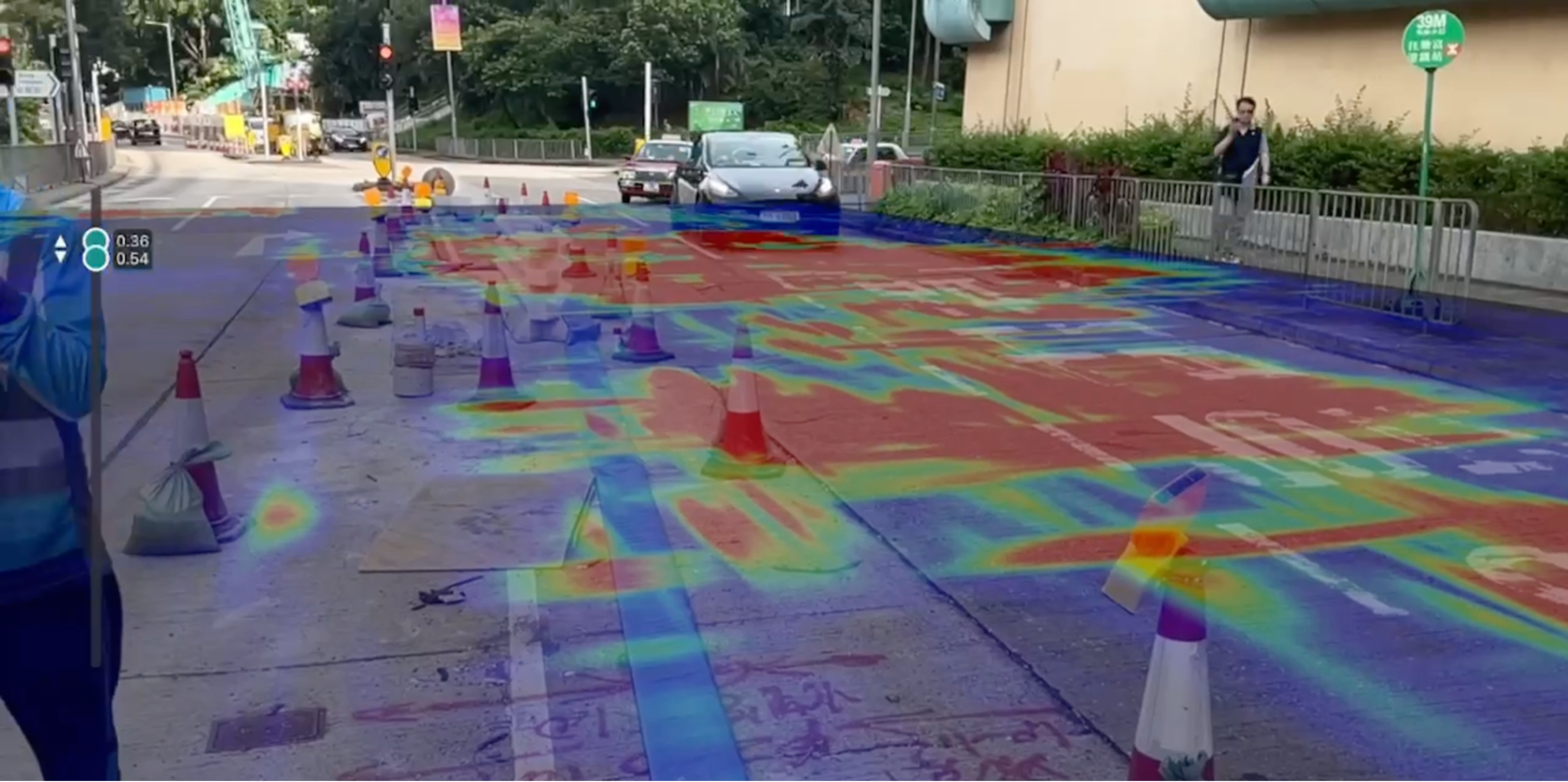
Real time augmented reality (AR) visualisation of detected cavity in Proceq GPR software. Image courtesy of our partner, PD Tech
Program Next Steps
The Proceq GPR systems will undergo performance verification testing during the second half of fiscal 2026. The results will be evaluated by an expert technical committee, with final findings targeted for publication in MLIT’s Technology Performance Catalog in fiscal 2027 to guide adoption by national, prefectural, and municipal road authorities. Watch our short video to learn more about how Proceq solutions help to prevent dangerous sinkholes with early cavity detection.