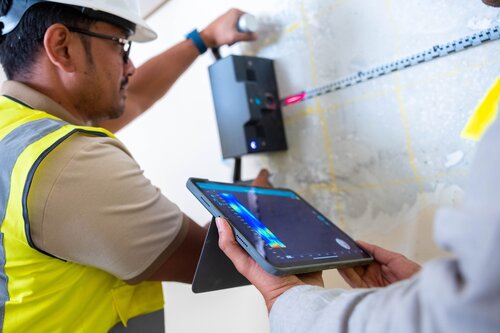
Concrete evidence for reuse of commercial buildings: Non-destructive testing
Repurposing commercial real estate? Hidden concrete defects can turn your investment into a financial pit. Nondestructive scanning reveals what’s inside before you buy, helping you price risks, negotiate deals, and reuse buildings safely.


Newsletter
Get the best NDT and InspectionTech content delivered straight to your inbox
In commercial real estate and infrastructure, value is traditionally measured in square footage, occupancy rates, and capitalization yields. Structures prime for repurposing, like an office block or healthcare facility, may appear ready for adaptive reuse simply based on the visual appearance. However, some of the highest financial risks to an asset lie out of sight within the structure itself.
Visual inspections are important, but the surface may be hiding vital information on the structural condition underneath. Inside the concrete there is an unknown matrix of post-tension cables, reinforcement, conduit, utility lines, and even defects. This can present an issue when assessing a building’s structural capacity or trying to add features like piping or windows.
Nondestructive testing (NDT) can be used to locate embedments and assess the quality of concrete in a structure quickly and without invasive testing. Integrating a complete concrete inspection, including NDT, into the pre-acquisition workflow transforms an unknown liability into a manageable, quantifiable asset, mitigating risk for institutional capital.
Understanding structural condition
Reuse structures have already been through a lifetime of use and maintenance is often required to ensure the structure’s durability. Understanding the condition before purchase or construction is important to determine if the building has the capacity for its new purpose. Once the condition is known, effective plans can be established to properly renovate the building and ensure safety for years to come. Even more important, if the structure is in critical condition, major renovations may not even be economically feasible.
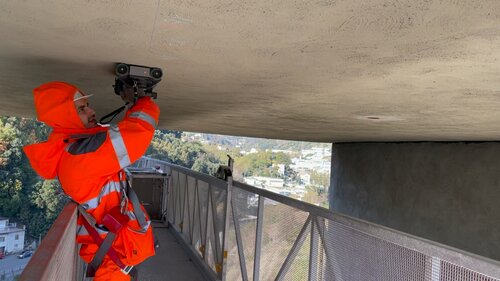
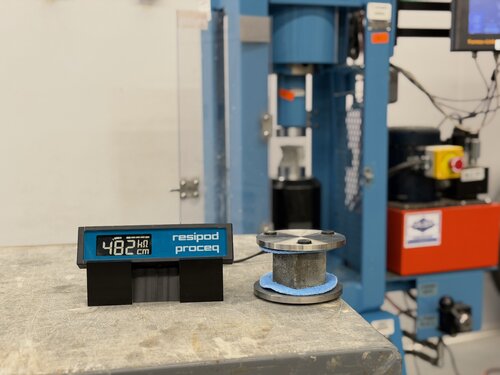
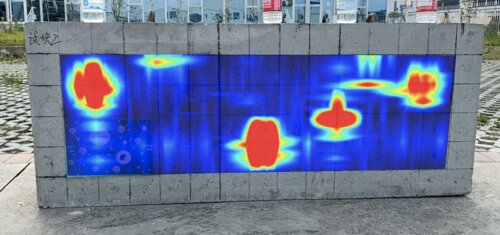
There are many NDT methods that can be used to assess different aspects of concrete condition including Schmidt hammer, ultrasonic testing, corrosion tests, and more. Depending on the circumstances, they can be used in combination to assess the current condition for an educated renovation plan.
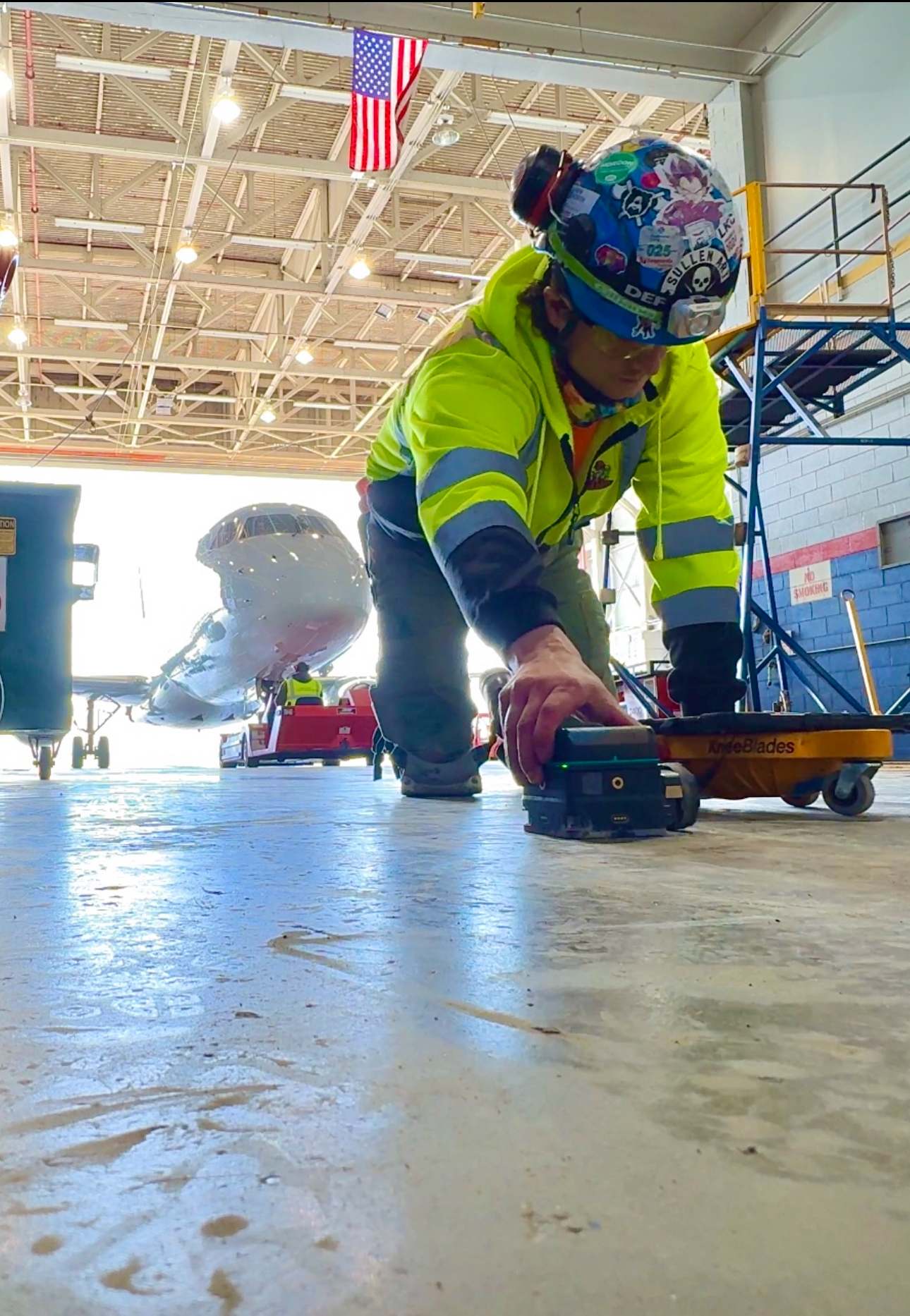
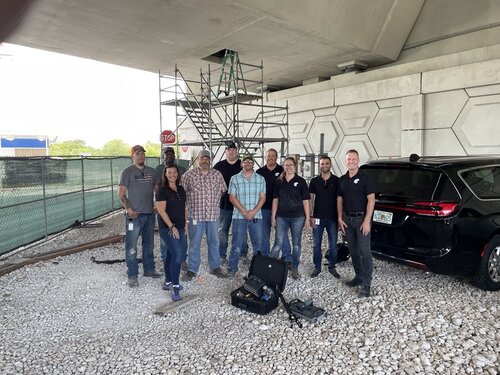
Photo courtesy of Zac Goodspeed / SafeCore Systems.
Preparing for adaptive reuse by knowing what is there
The design of a structure is highly affected by the purpose of the building. Adaptive reuse of commercial real estate changes the purpose and therefore, the design must be reevaluated to ensure the structure’s safety. The issue is that the original structural plans are not always available and if they are, they may not match exactly what was built or account for any changes that have been made since construction.
Without current plans, engineers will always assume the worst to ensure the structural safety which can lead to excessive and unneeded costs. As-built plans are required for an efficient renovation, and NDT methods are required to make those plans.
Change the layout without affecting the capacity
It is often required to drill or cut into reuse structures to adjust them for the new purpose. New plumbing, HVAC or elevator shafts, windows, and other changes require cutting through concrete which should never be performed blindly. Best case scenario, more drill bits are needed to cut through unknown rebar. Alternatively, high tension cables or electrical conduits may be hit, severely compromising structural and worker safety.
For example, the fallout from cutting an unmapped high-voltage conduit in an occupied building can easily result in a major financial loss with building-wide outages, emergency evacuations, project delays, and potential litigation. To protect capital and keep timelines intact, a localized embedment scan should be performed before each cut.
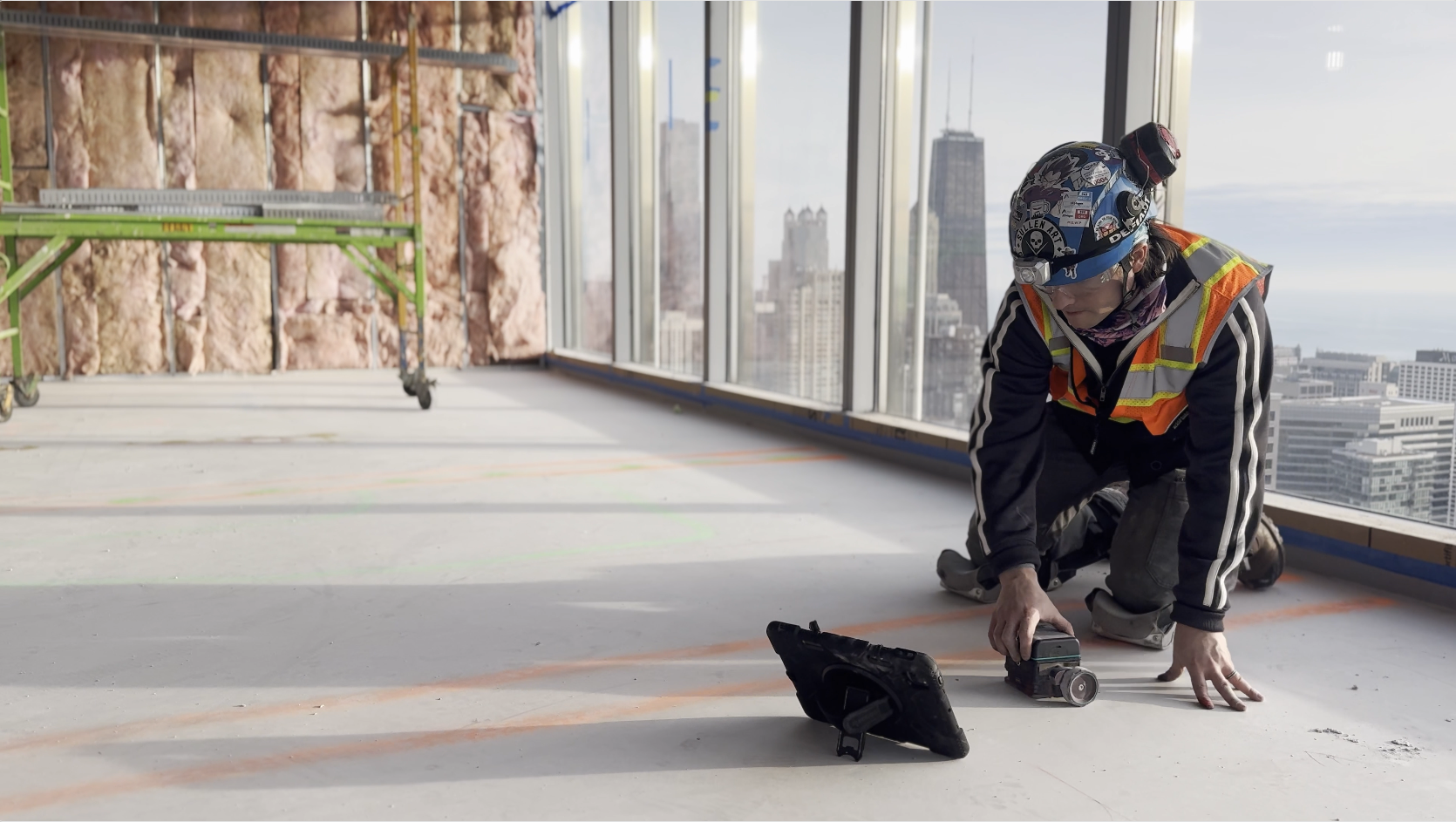
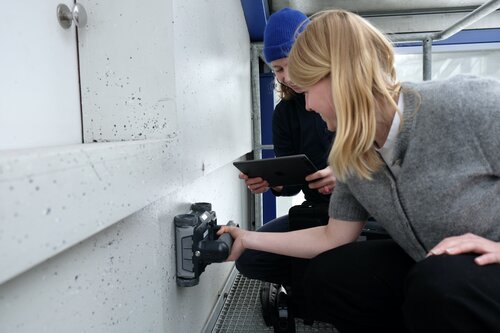
Photo courtesy of Zac Goodspeed / SafeCore Systems.
Precision embedment locating in occupied facilities
Executing renovations within operational facilities requires additional considerations to avoid interrupting daily business. Most NDT methods require little to no intrusion and can be conducted quickly and quietly while the operations or construction remains active.
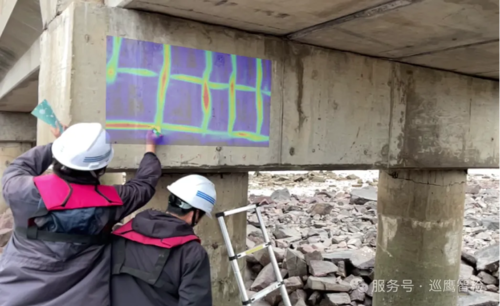
For both creating as-builts and mapping local embedments, the most popular NDT method is ground penetrating radar (GPR). GPR clearly shows most objects within the concrete to identify the different reinforcement in the concrete and understand what must be avoided during cutting. It is a common device to see on a construction site to improve the efficiency and knowledge for a contractor.
Screening Eagle Proceq is an NDT manufacturer that focuses not only on enhanced data quality, but on advanced digital data management and post-processing. Its large line up of different NDT techniques can provide users with a comprehensive view of concrete quality and embedments.
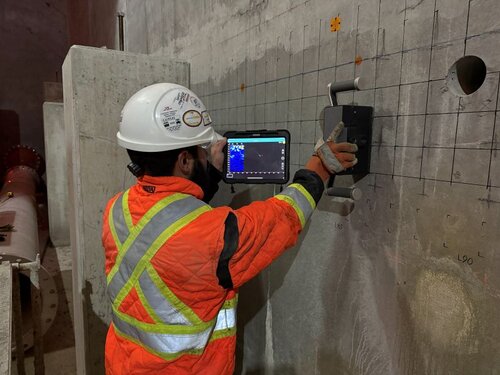
Alternatively, there are expert scanning companies that can fully inspect the structure. The nationwide scanning service company, GPRS, provides professional, accurate, and efficient locating services utilizing a fleet of Proceq GPRs. GPRS technicians inspect the infrastructure using their various services, including GPR, to identify safe cutting locations and map unknown embedments.
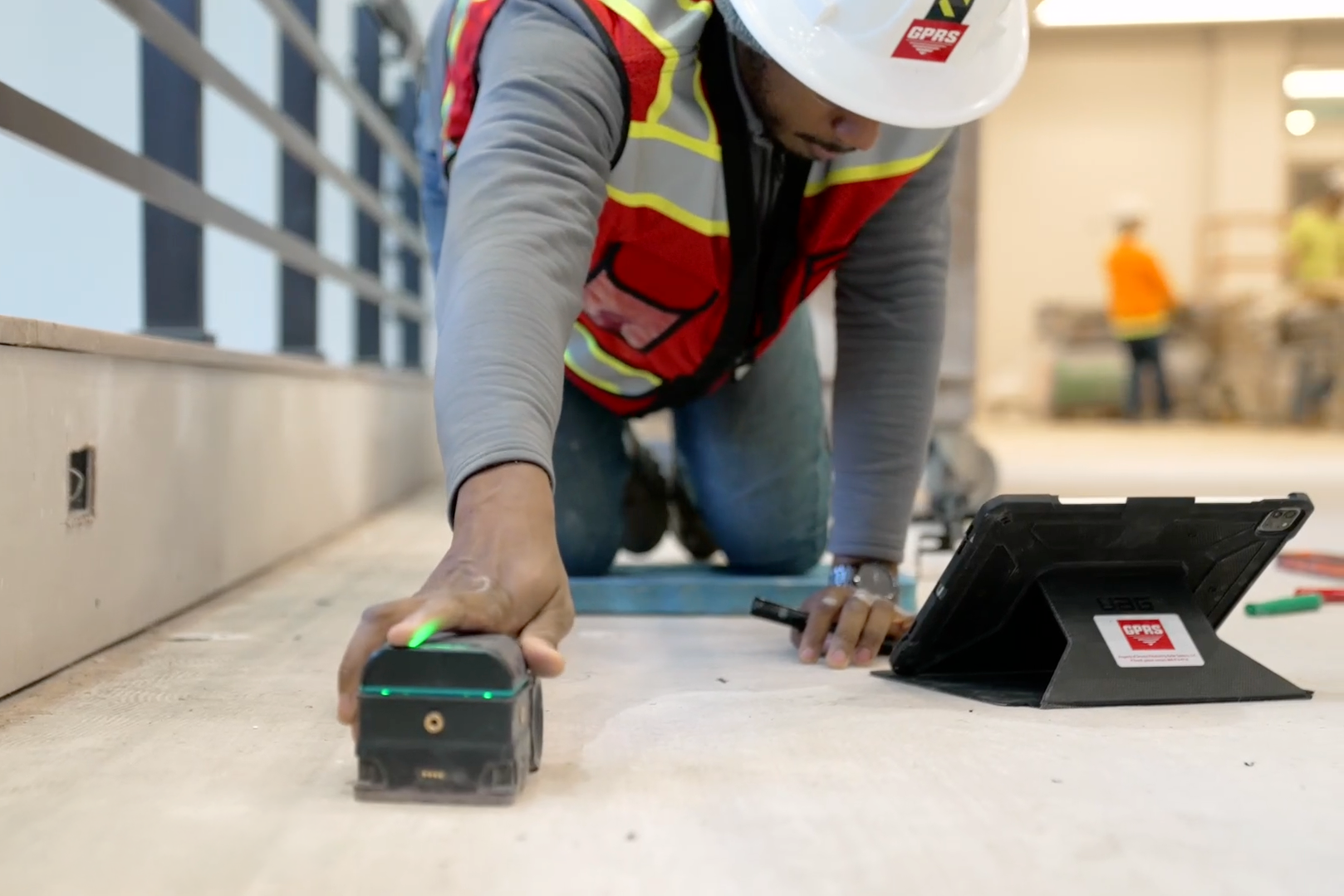
Photo courtesy of GPRS (gp-radar.com)
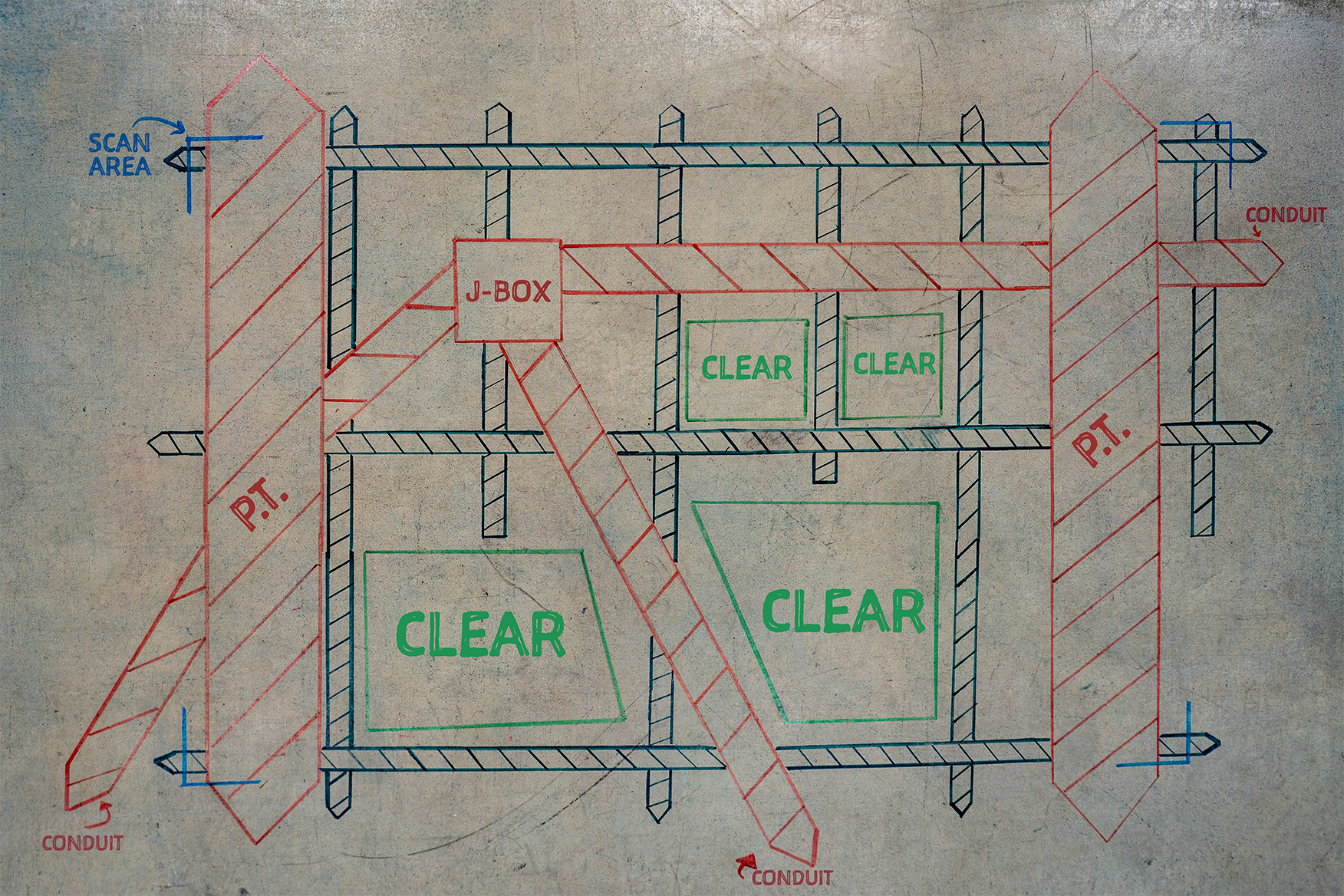
Photo courtesy of GPRS (gp-radar.com)
Eliminating rework through digital assets
Construction rework accounts for a substantial percentage of budget overruns. The formula for avoiding rework is straightforward: using accurate data as concrete evidence to plan better, build better, manage better.
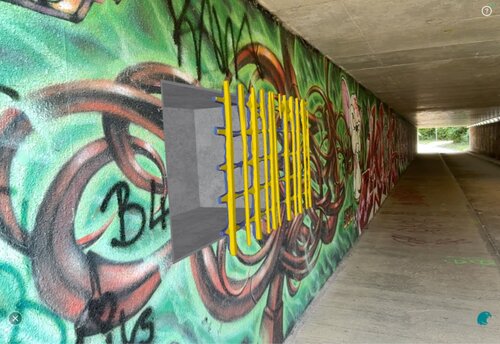
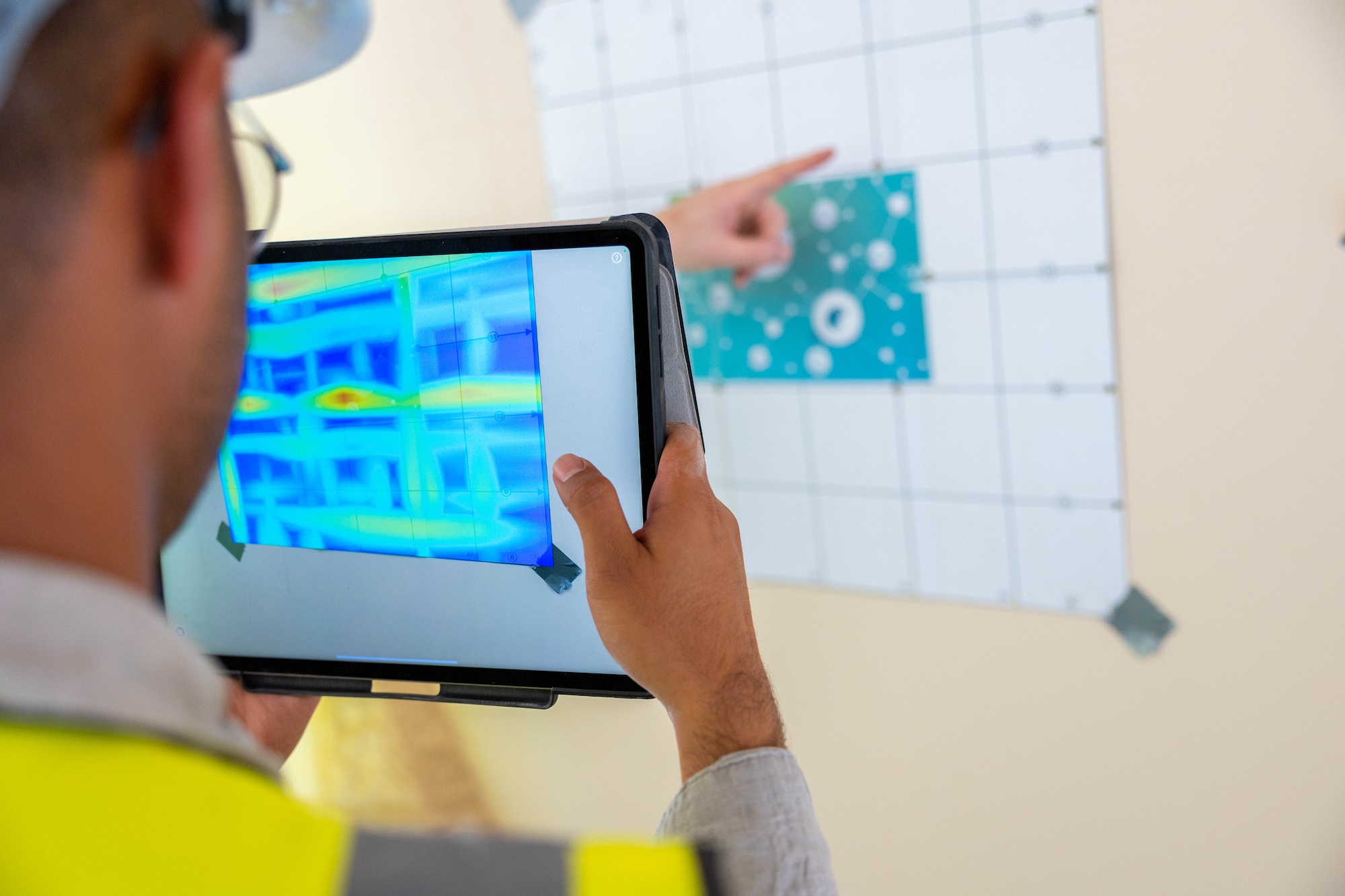
When concrete scanning data is digitized and integrated into modern Building Information Modeling (BIM) software, physical structures receive an accurate digital record. Instead of relying on static, paper-based records that quickly become obsolete, developers and facility managers gain a dynamic digital representation of their physical assets.
Digitizing subsurface records allows renovation teams to model mechanical, electrical, and plumbing (MEP) routing in a virtual environment long before physical execution begins. Clashes are resolved digitally rather than in the field, eliminating costly work stoppages and rework while streamlining project delivery.
The future: birth certificates and predictive maintenance for infrastructure
As modern infrastructure becomes more complex, the industry's approach to asset lifecycle management is evolving. When new infrastructure is commissioned today, a critical question remains: Is anyone digitizing its initial structural baseline?
Creating a dynamic "birth certificate" for newly constructed assets, mapping structural elements, conduit runs, and material baselines from day one, establishes a reference standard for the building's entire lifecycle.
- Asset Birth Record - Digital baseline for tracking.
- Regular Health Checks - Condition monitoring over time.
- Targeted Repairs - Saving costs and unnecessary demolition.
This structural baseline opens the door to predictive maintenance. Rather than responding to structural distress or catastrophic utility failure after it occurs, asset managers can conduct regular physical check-ups to track condition trends over time. Early diagnosis of slab degradation, moisture intrusion, or structural shifts allows owners to perform targeted, lower-cost repairs before minor issues escalate into major capital expenditures.
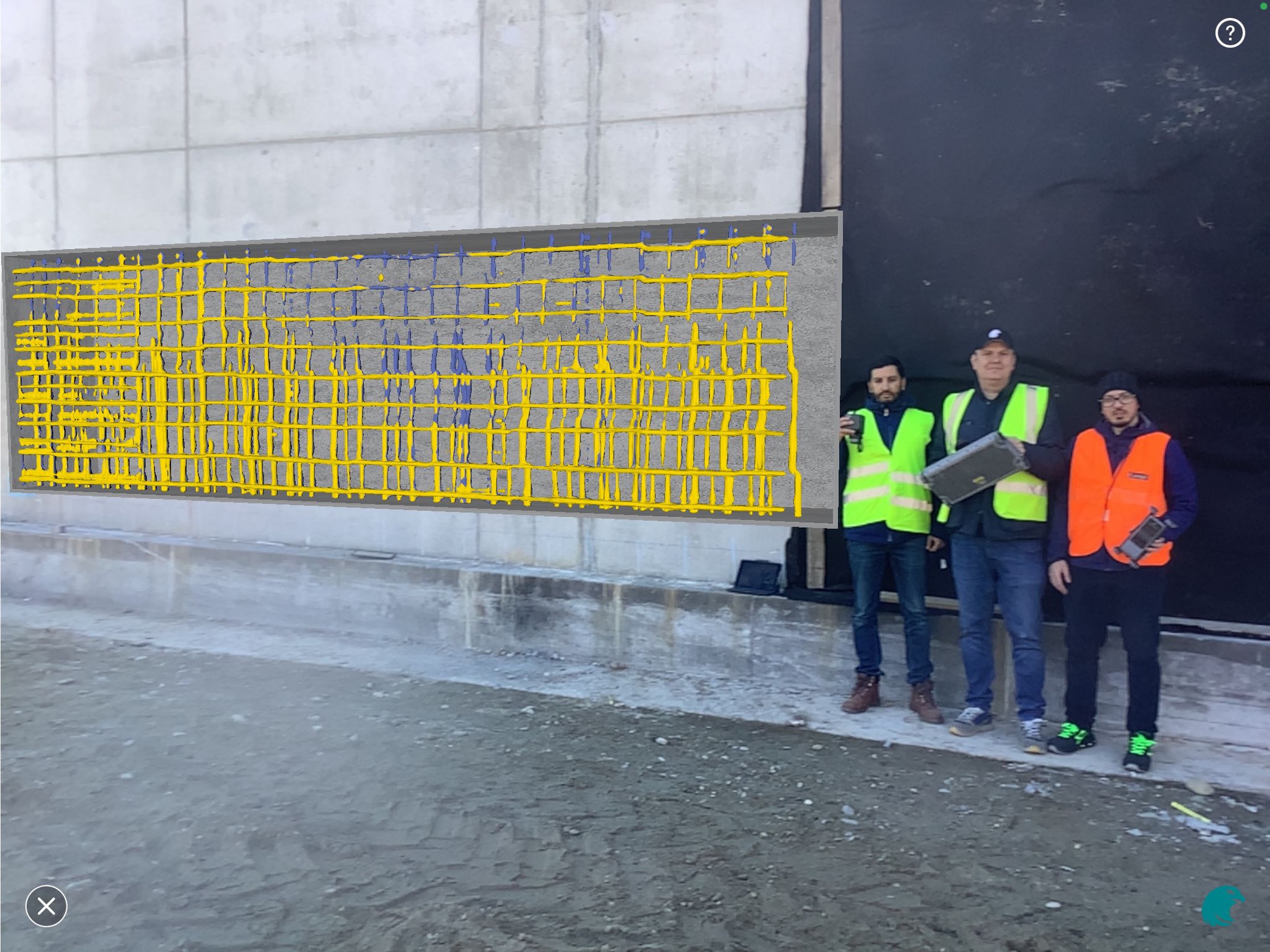
Screening Eagle solves these problems using deep-tech sensing and next generation intelligence capabilities. A unique ecosystem of IoT sensors providing extraordinary data quality, intuitive yet powerful software with real-time 3D visualization, augmented reality and embedded AI algorithms for automatic data interpretation. This subsurface intelligence platform is Screening Eagle's solution to protect the built world and contribute to all the challenges for de-risking commercial real estate and assessing critical infrastructure around the globe.
Protecting the Built World
At its core, protecting the built world is about preserving both physical safety and financial value. Capital markets, institutional investors, and municipal leaders all rely on the stability of the built environment to support economic activity.
By taking the guesswork out of property acquisition, adaptive reuse, and facility expansion, structural intelligence bridges the gap between old structures and new demands. Knowing the true condition of an asset, from its acquisition to its eventual conversion, enables the industry to mitigate risk, optimize capital allocation, and ensure that our shared infrastructure remains resilient for generations to come.
As modern construction shifts to renovations over new builds, knowing the health of a building is crucial to accurately price future capital expenditures, negotiate acquisition terms, or walk away from assets burdened by hidden structural liabilities.
See more NDT articles and case studies on our Tech Hub.