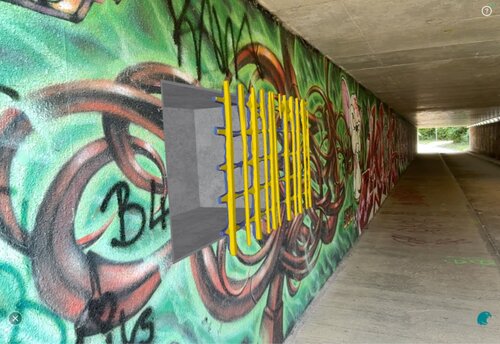
Enabling the reuse of concrete elements with circrete & Proceq NDT
See how circrete are using Proceq NDT equipment to test concrete elements in preparation for reuse, and to comply with Denmark's strict CO2 regulations for sustainable construction.


Newsletter
Get the best NDT and InspectionTech content delivered straight to your inbox
Proceq interviews the circrete team to find out how they are enabling high quality reuse of concrete at large scale.
What is the fundamental vision and mission driving circrete's work in the construction industry?
circrete’s mission is to establish the structural reuse of concrete as a safe, dependable, and economically competitive alternative to producing new elements. By enabling high-quality reuse at scale, we aim to support the transition of the construction sector from today’s predominantly linear resource model to a genuinely circular one. Our vision is a future in which structural concrete reuse becomes standard practice rather than an exception. Through this shift, we seek to make a measurable contribution to reducing CO₂-equivalent emissions as well as conserving natural resources, and enhancing the overall sustainability of the building industry.
What are the biggest challenges you face today in scaling the reuse of concrete elements, and how do Proceq solutions help you address these?
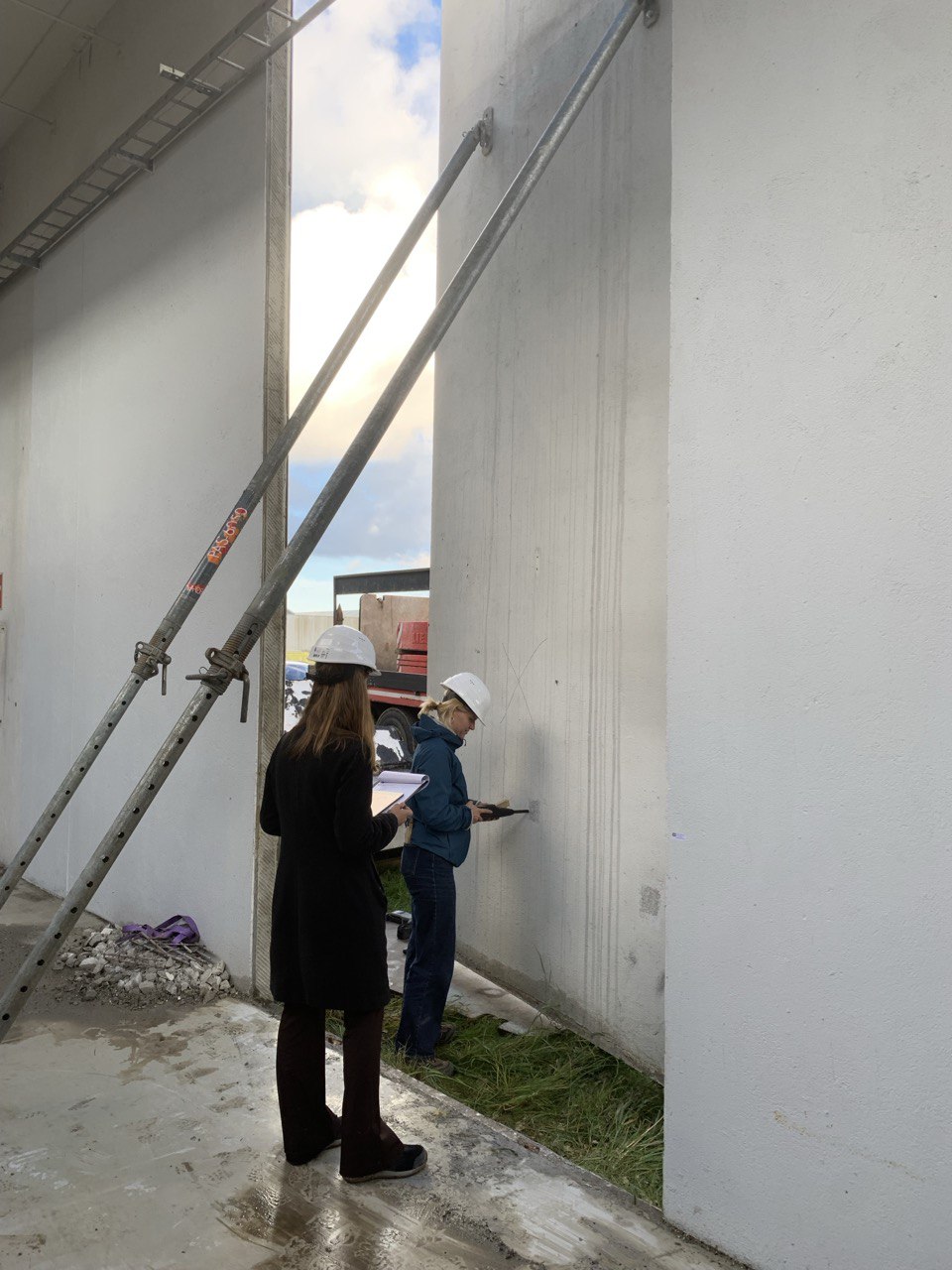
Our biggest challenge is reducing the uncertainty around the structural condition of reclaimed elements. Engineers and checking authorities must trust the material properties before approving reuse. Today, the testing process is often fragmented, slow, and not yet fully standardized. Proceq’s non-destructive testing equipment helps us overcome this by giving us fast, reliable, and repeatable data through nondestructive testing on-site. Their tools allow us to assess strength, uniformity, reinforcement layout, and potential defects with great efficiency. It enables us to reduce risk, speed up the certification process, and make structural concrete reuse become scalable.
Given the context of strict CO₂ regulations in Denmark and globally, what is the long-term impact circrete hopes to achieve regarding sustainability and the circular economy?
Structural concrete reuse delivers up to 90% CO₂ savings compared to producing new elements. With Denmark introducing CO₂ caps for new buildings and the EU tightening lifecycle requirements, reuse can significantly reduce embodied carbon in the built environment. In the long term, we aim to make structural reuse a standard compliance pathway in both regulation and practice.
Why was Proceq's non-destructive testing equipment chosen as a critical component in your process for certifying concrete elements for reuse?
We selected Proceq because they offer the most advanced, field-proven non-destructive testing solutions in the industry. Their tools allow us to generate precise structural data, which is essential for certifying reclaimed concrete elements under DS/INF 671:2025. It also enables us to standardize our testing procedures, improve repeatability, and create a reliable foundation for reuse certification.
How does the objective and reliable data provided by Proceq's equipment enhance the trust and credibility of reused concrete elements in the eyes of engineers, architects, and construction companies?
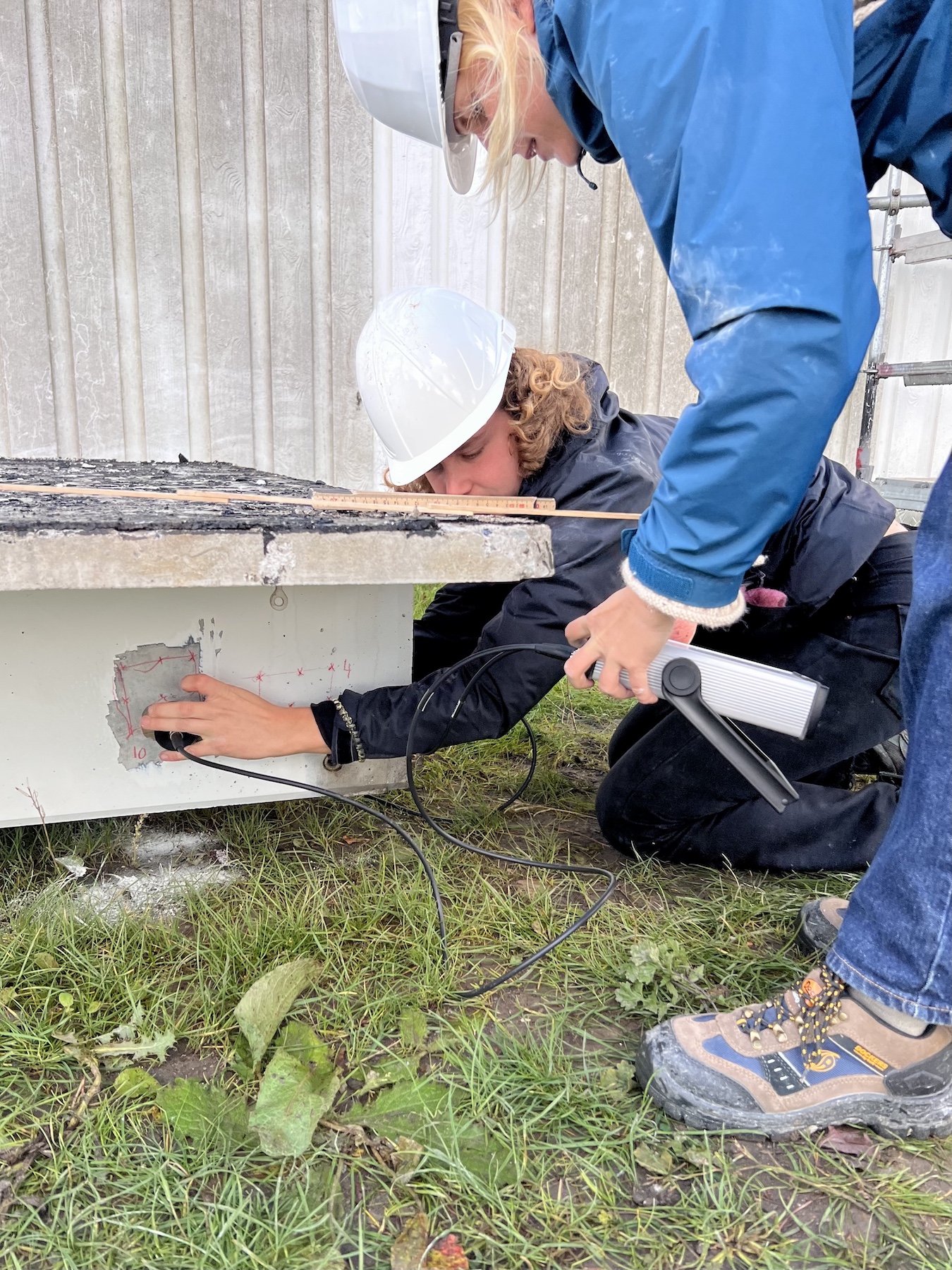
Trust is the central barrier in structural reuse. Engineers need evidence, not assumptions to be able to take liability for their calculations. Proceq’s equipment gives us high-quality, objective data that documents the real performance of each element, including strength, reinforcement layout, and potential durability concerns. When this data is combined with destructive tests and integrated into our digital material passports, it gives engineers and architects the same level of confidence they expect from new precast elements. This credibility is key to enabling widespread adoption.
What is the most common misconception or resistance you encounter when proposing the reuse of concrete elements, and how does the Proceq partnership help you overcome this?
The most common misconception is that reused structural elements are unsafe or unpredictable. Many stakeholders assume the condition cannot be reliably assessed. Our partnership with Proceq directly addresses this by providing transparent, traceable, data. Also Proceq equipment has been used successfully within the assement of concrete structures like bridges for decades which bings additional confidence to the clients. When we can demonstrate the actual in-situ performance of elements with industry-leading tools, resistance quickly turns into curiosity and hence into acceptance.
From circrete's perspective, what is the strategic value of partnering with an established industry leader like Proceq?
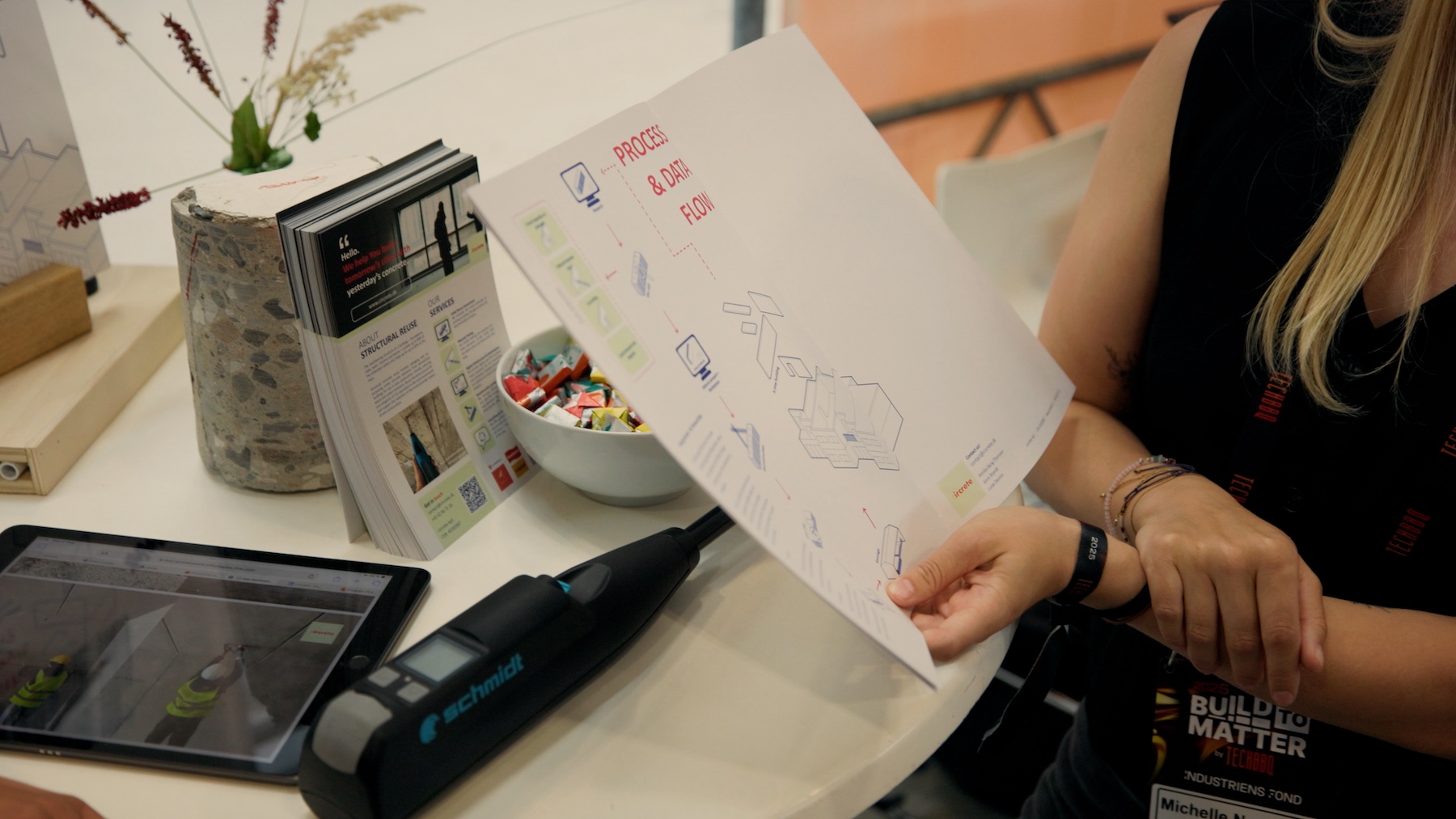
Partnering with Proceq gives us technological credibility and access to proven testing solutions used worldwide. For a young company like circrete, having a strong partner helps us accelerate standardization, build trust in the market, and scale much faster than we could alone. Beyond the equipment itself, Proceq’s reputation communicates to the industry that structural reuse is serious, reliable, and ready for adoption, possible opening up a new circular market.
Looking ahead, what key metrics or milestones will you use to define the ultimate success of the collaboration between circrete and Proceq?
Some of the milestones we will track include: - Number of concrete elements tested using Proceq equipment - Number of Material passports issued - Reduction in testing time per element - Number of projects circrete’s services are involved in Number of contractors and engineers adopting standardized testing workflows Success means that Proceq tools become a natural part of the national workflow for certifying reusable concrete elements.

How do you anticipate this collaboration will influence future standards or practices for concrete reuse, both in Denmark and internationally?
Together, we can help shape a consistent and scalable approach to testing reclaimed elements. As DS/INF 671:2025 evolves and other countries develop similar guidelines, having well-defined workflows supported by reliable technology will be essential. We expect this collaboration to contribute to clearer test protocols, greater standardization, and ultimately the mainstreaming of structural reuse in building codes and certification systems across Europe.
What is the next exciting development or goal for circrete that this partnership will help enable?
The next milestone for circrete is scaling our certification system through a digital platform that automates testing workflows, data capture, and material passports. Proceq’s equipment and data integration capabilities will play a key role in creating a seamless link between on-site testing and digital documentation, enabling faster certification and ultimately a nationwide inventory of reusable structural elements. This is a critical step toward making structural reuse a default practice rather than an exception.
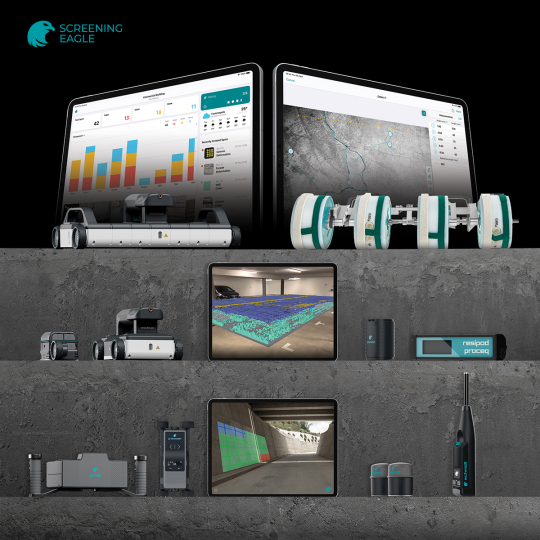
Learn more about Proceq NDT solutions for concrete assessment in our Tech Hub.