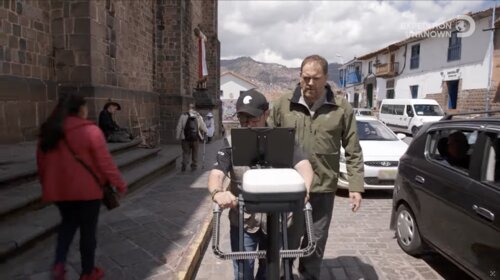
Precision Horse Racetrack Inspection Using High-Resolution Multichannel GPR
Hidden voids and non-uniform soil layers are invisible risks to both horses and riders. Learn how mobile mapping GPR uncovers hidden risks, allowing maintenance teams to detect subsurface hazards and optimize track consistency.


Newsletter
Get the best NDT and InspectionTech content delivered straight to your inbox
Identifying hidden soil anomalies to protect safety at horse racing tracks
This application note explores how the GM8000 mobile mapping ground penetrating radar (GPR) provides horse racing track maintenance teams with a non-destructive, high-speed method to assess track health, ensure compliance, and protect both equine and athlete safety.
The Challenge: Maintaining Hidden Consistency
In horse racing, surface uniformity isn't just about performance, it’s about safety. A track may look perfect on the surface while harboring hidden risks beneath, such as non-uniform soil layers, voids, and other structural anomalies.
Assessing the track with advanced technologies like mobile mapping with high-density Multichannel GPR provides the maintenance team with actionable insights to:
• Monitor soil uniformity across the entire track.
• Pinpoint specific areas requiring further investigation.
• Ensure rigorous compliance with international track standards.
• Mitigate developing issues
The Solution: High-Resolution Mobile Mapping
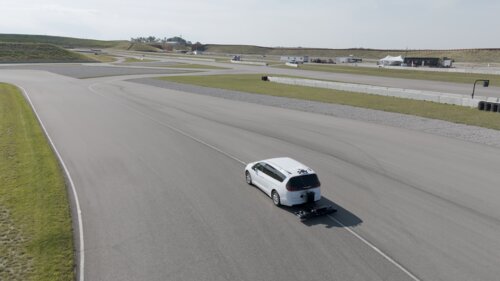
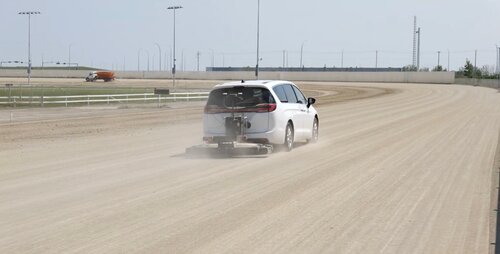
To achieve a comprehensive subsurface map without disrupting track operations, Screening Eagle/Proceq deployed the GM8000 equipped with 2 x GX1 high-frequency antenna (500-3000 MHz). The 101 Channels of GPR at 1” (2.5cm spacing) generate a high-resolution subsurface model of the entire track.
Traditionally, a single channel GPR was ran down the center of a lane, providing limited data points while only looking at a tiny sliver of the track. The higher resolution data provides the maintenance team with actionable deliverables for the entire racing surface.
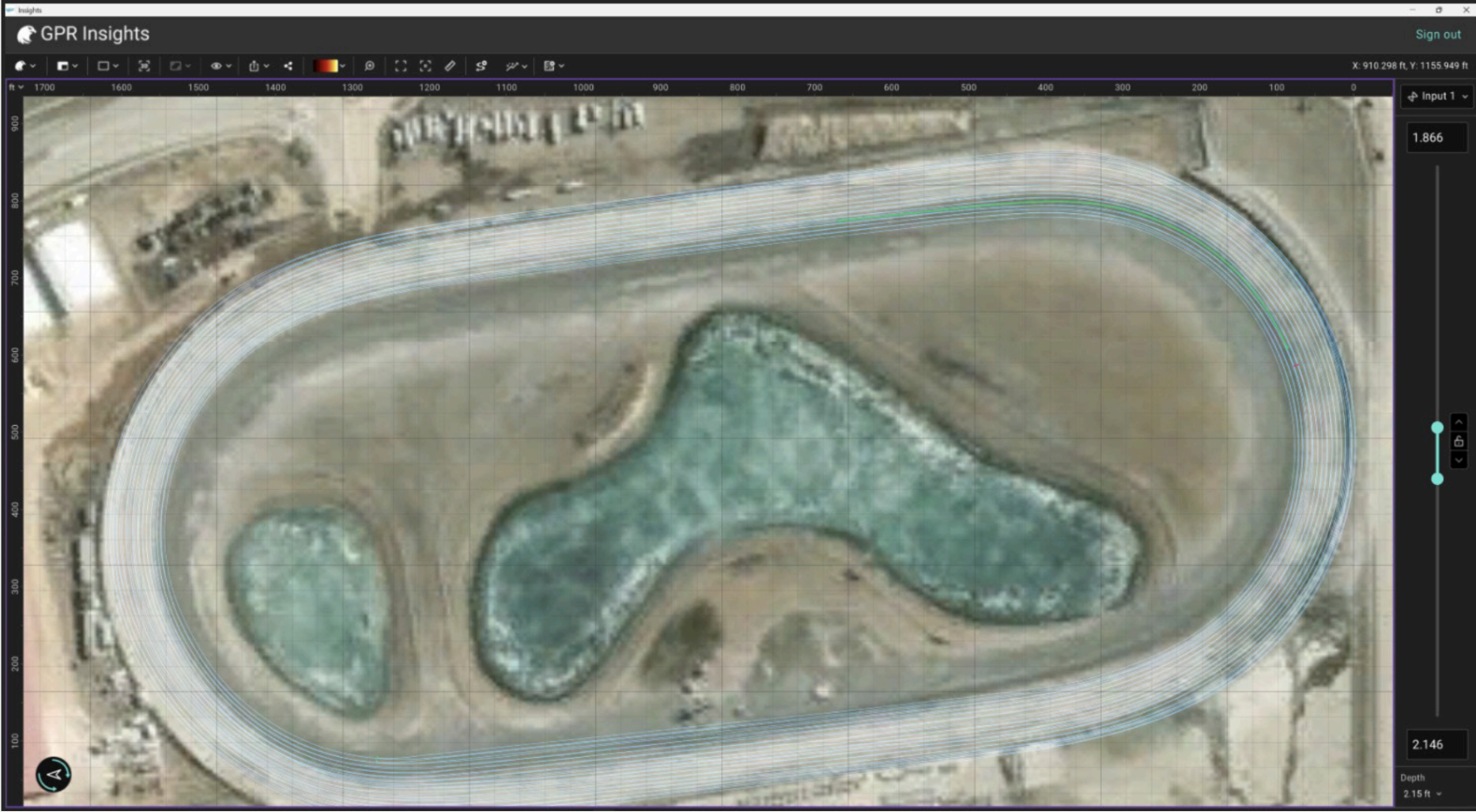
Figure 1: The GPR scan path displayed on a satellite image. Data collection began and ended in the northwest corner, utilizing Imperial units for local reporting standards.
Technical Workflow:
• Multichannel Data Collection: Utilizing 102 channels with 2.5 cm spacing, the system captured high-resolution imaging of both the track surface and deep subsurface layers.
• Rapid Deployment: The entire track was scanned in under an hour, significantly reducing the window of time needed for maintenance closures.
• Precision Geo-referencing: RTK-corrected GPS ensured every data point was accurately mapped, allowing the team to return to the exact coordinates of any identified anomaly.
• Advanced Processing: Data was processed using GPR Insights to visualize soil uniformity and verify the thickness of engineered soil layers.
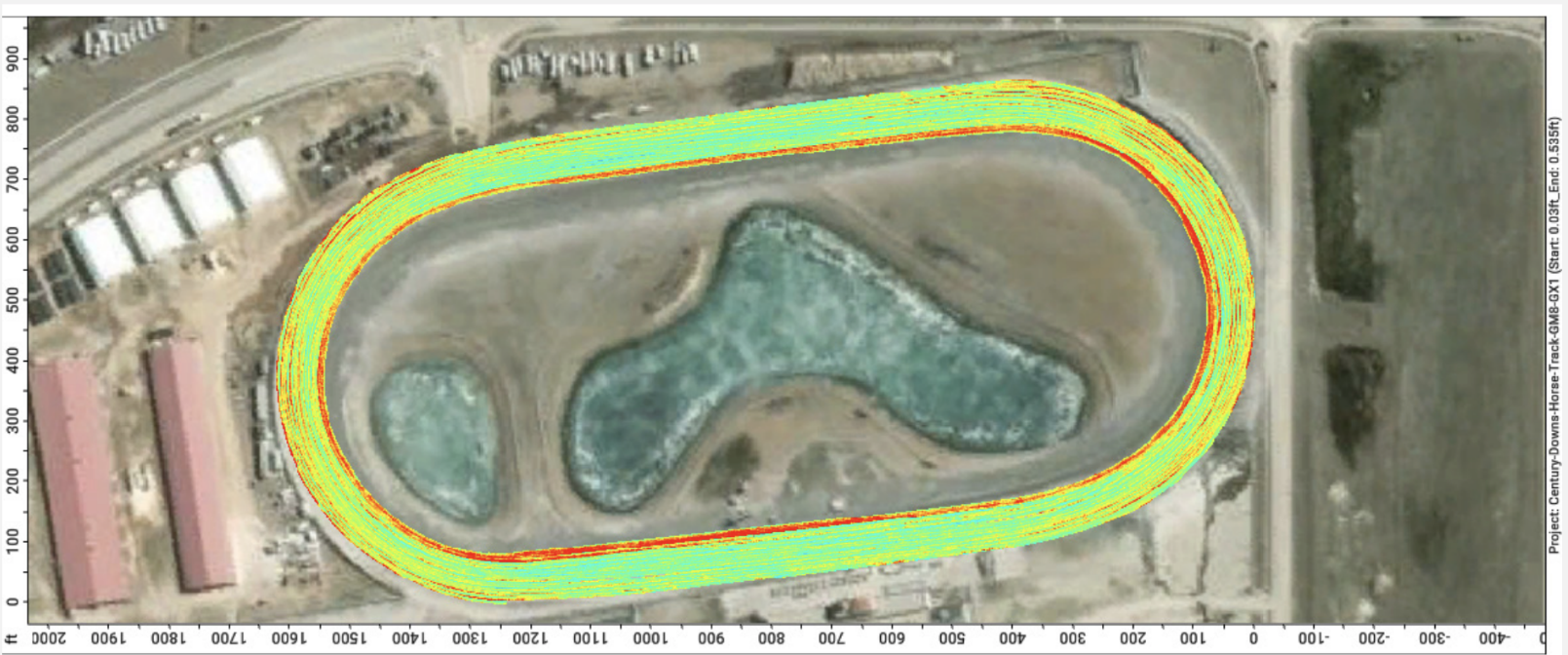
Figure 2. Illustrates the soil variability on the inside of the track
Intelligent Maintenance Features: The GM8000 allows teams to visualize and tag anomalies in real-time. Whether an operator notices an irregularity during the drive or while reviewing the cloud-saved data later, a geo-referenced tag is permanently recorded.
In this specific track, designed with two layers of engineered soil, the GM8000 identified several points of interest. These can range from buried horseshoes to critical structural concerns like breaks in soil layers or potential underground voids.
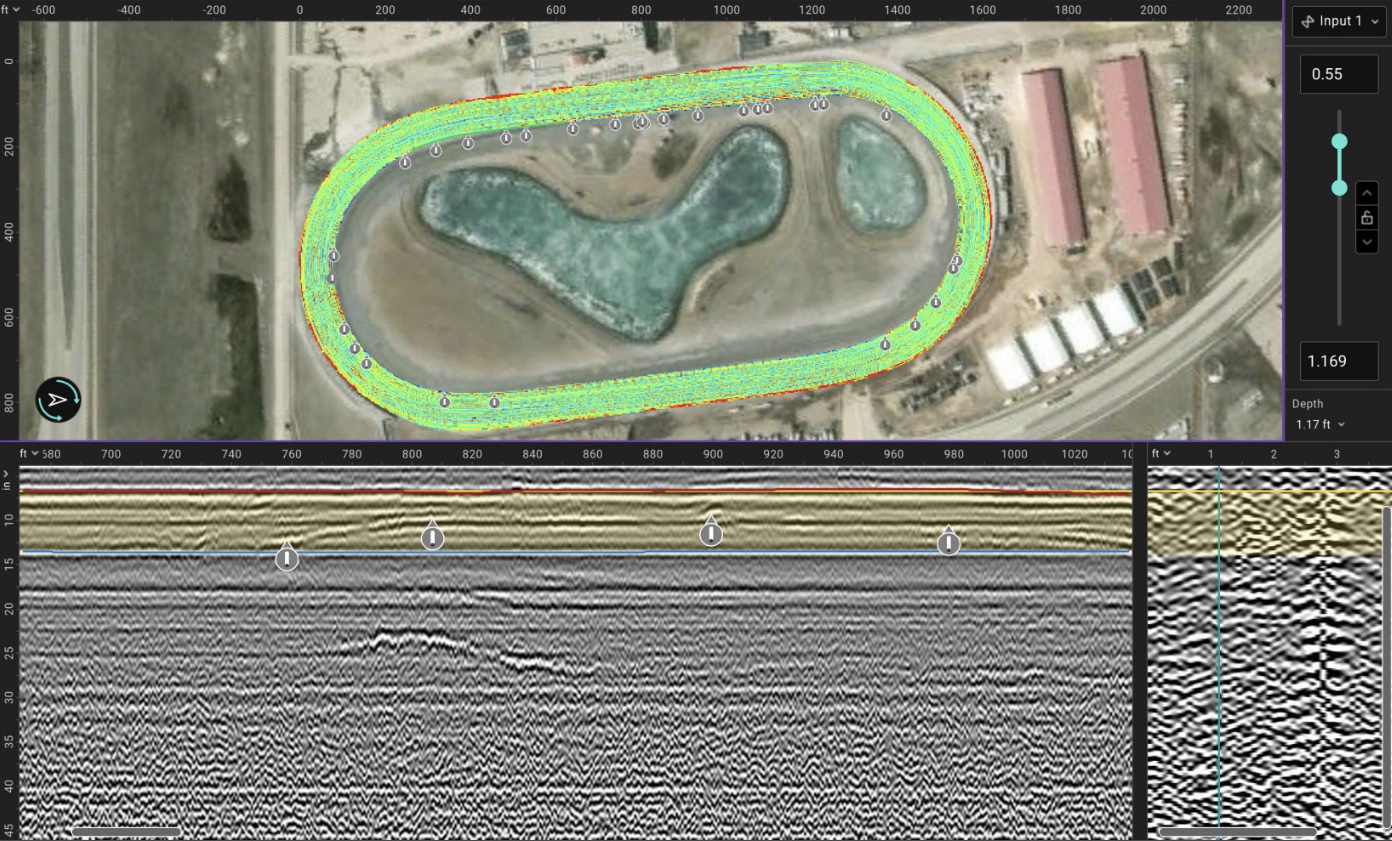
Figure 3. GPR data showing georeferenced tags of detected anomolies
Results
The scan results provided immediate clarity for the maintenance team. The data confirmed higher soil compaction on the inside of the track, where horses travel most frequently, and higher uniformity in less-traveled outer regions. Specifically, the Northeast turn of the track showed a 400ft non-uniform soil disturbance (Figure 4). There was a localized soil feature spanning 20ft (Red Box on Figure 4) with a 9° degree incline (Figure 5).
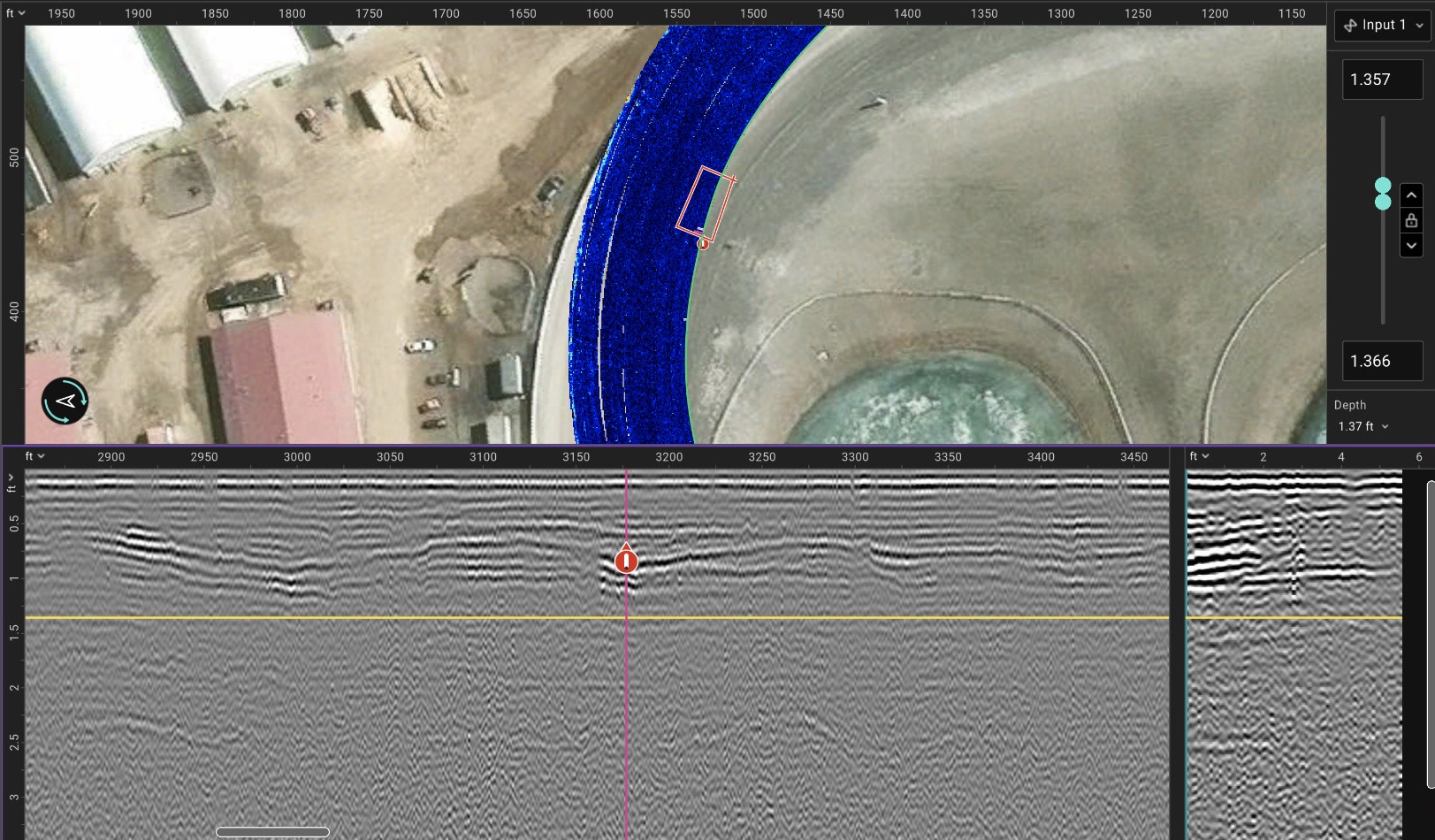
Figure 4. GPR data showing non-uniform soil disturbance.
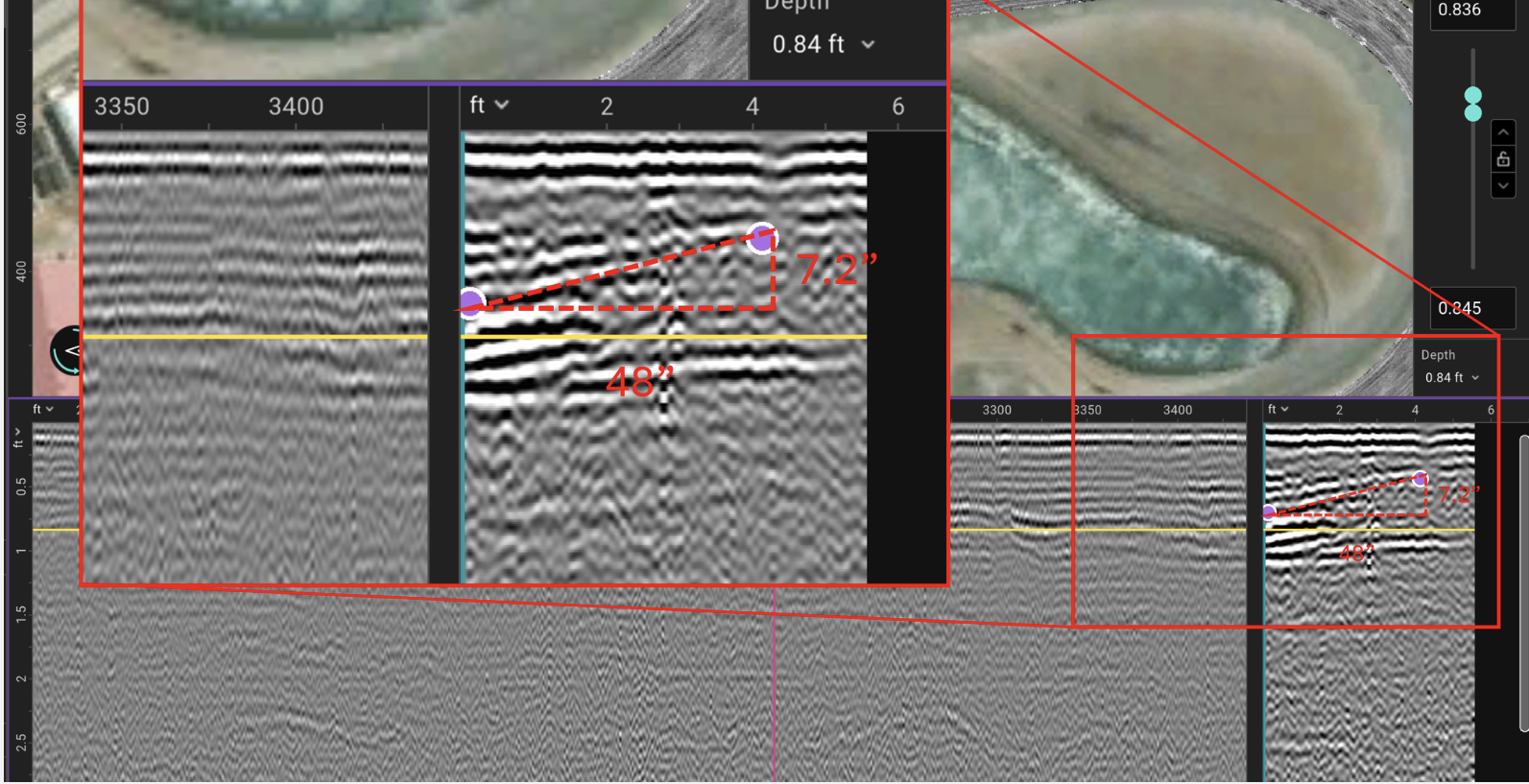
Figure 5. GPR data showing localized soil feature spanning 20ft with a 9° degree incline.
By integrating the GM8000 and GX1 antenna into their track inspection routine, maintenance teams can:
- Identify hidden issues before they manifest as surface hazards.
- Demonstrate compliance with safety standards through empirical data.
- Optimize maintenance schedules by targeting specific areas of concern rather than the entire track.
Thanks to this collaboration with Equine Risk Management Group, we are now imaging the entire subsurface at 1" spacing, uncovering track defects and ushering in a whole new level of safety for the horses.
The result is a safer, more predictable horse racing environment backed by world-class GPR technology. See more application notes with subsurface GPR on our Tech Hub.